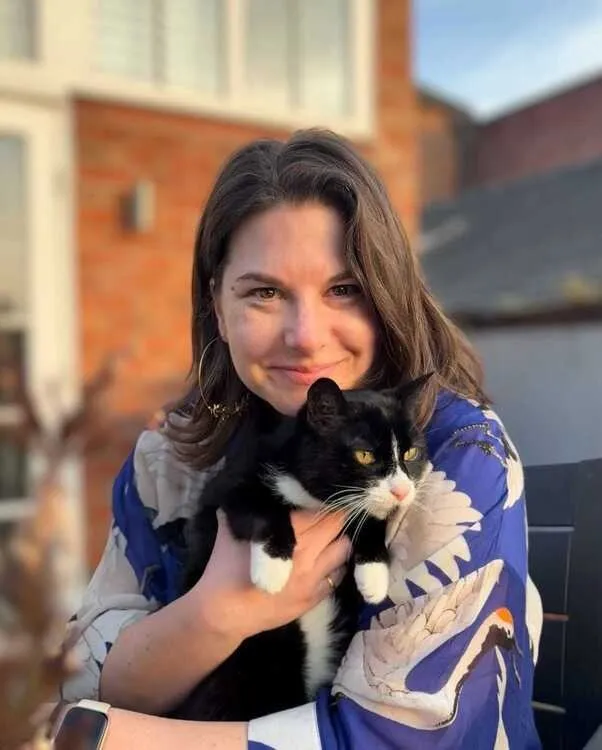
Join us to listen to Dr. Beth Venture, PhD, an Associate Professor in Animal Welfare from Michigan State University, talk about "How animal behavior and welfare scientists confront and cope with ethical conflicts regarding animal use in research".
Our aim as applied ethologists and animal welfare scientists is to improve the lives of animals, yet pursuing this can involve causing animals harm, creating internal conflicts when our decisions conflict with our moral values. This seminar will present findings from a workshop conducted at the 2025 International Society for Applied Ethology conference, in which 27 professors, graduate students, and industry researchers participated in five focus groups on this topic.
Participants experienced several challenges associated with causing or being adjacent to harm to animals as part of their research, including euthanasia, pain, fear, social isolation, and barren housing. As a result, they described conflicts between their values and research practices and reported emotional consequences such as feeling desensitized and morally distressed, impacts on relationships with colleagues and students, and limited agency or control over animal suffering. They also identified coping strategies, including shifting research goals toward positive animal welfare, expanding dialogue about these conflicts, and reflecting on the alignment between their research and personal values, highlighting opportunities to better support researchers in navigating moral challenges and improving the welfare of animals used in research.